

Footsteps Through the Quiet Earth
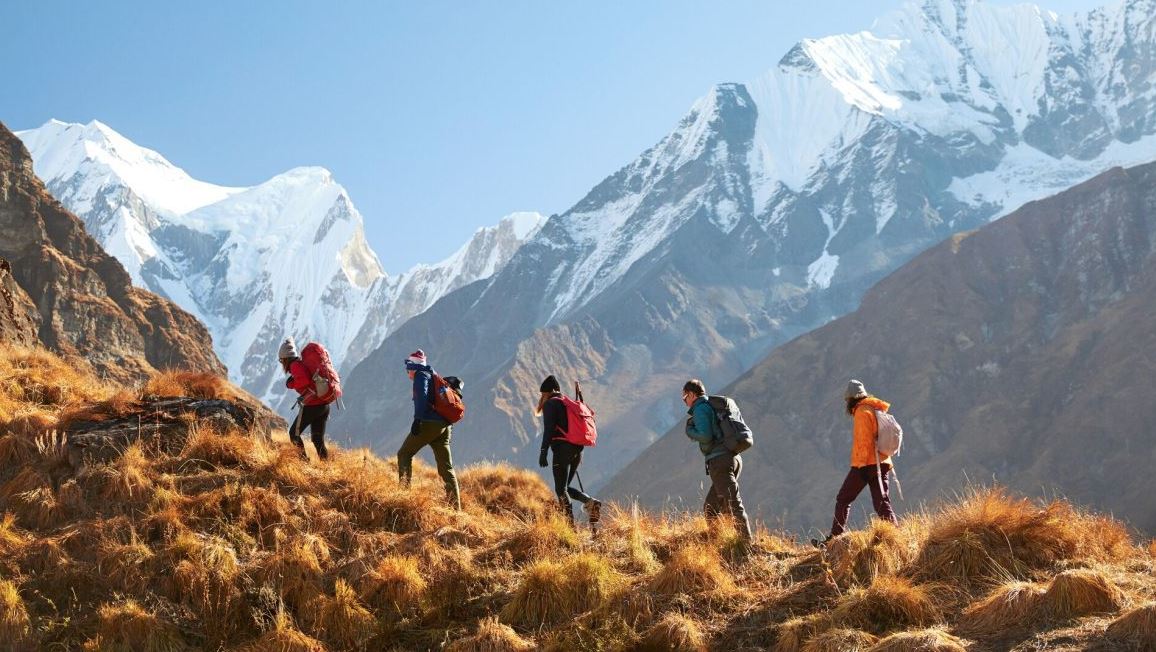
How Hiking Rekindles Our Connection to Simplicity and Strength
The Slow Awakening of the Trail
There is a distinct kind of silence that only exists at the start of a hike. It is not the absence of sound but the soft hum of the earth stretching into dawn, the quiet promise that every step forward will reveal something new. As hikers lace their boots and shoulder their packs, the world begins to shift from ordinary life to something elemental. The soil feels different underfoot, the air thickens with scent, and each movement carries intention. Hiking begins not with distance but with awareness, and it asks us to let go of speed so that we can finally start to see.
On the trail, time does not behave like it does in cities or rooms. It expands, becoming wide and forgiving. Every rustle in the trees feels like a whisper from the past, every view a reminder of how vast and patient nature can be. There are no messages to answer, no schedules to chase, only the rhythm of your body adjusting to terrain and the soft companionship of the wind. Hiking becomes a ceremony of arrival, a slow awakening that takes place not at the destination but within each step.
The Dance Between Body and Landscape
Every trail tells a story, and the hiker learns to read it through movement. The slope of a hill speaks of endurance, the loose gravel tests balance, and the sudden climb reveals the pulse of determination. To hike is to engage in a quiet conversation between muscle and mountain. The body listens and responds, adapting to roots, rocks, and shifting light. In that conversation, strength is not measured by how far you go but by how deeply you feel the path beneath your boots.
The physicality of hiking has its own language. The burn in the legs becomes a teacher of persistence, the rhythm of breathing forms a natural meditation, and the thud of each step syncs with the steady beating of the heart. Modern fitness often separates movement from meaning, but on the trail they are inseparable. The body becomes both student and storyteller, learning to flow with the land rather than conquering it. In the stillness between breaths, there is gratitude for the simple miracle of being able to move freely through open space.
The Lessons Hidden in Solitude
Solitude on the trail is not loneliness. It is a chance to hear your thoughts without interruption and to rediscover what they sound like when there is no digital noise between them. Many hikers find that the longer they walk, the quieter their minds become. The chatter fades, replaced by a calm clarity that comes only when you are surrounded by vastness. Trees do not rush, rivers do not apologize, and mountains do not compete. Their presence teaches humility, reminding us that our struggles are small compared to the timeless patience of the natural world.
As the hours pass, solitude turns into company. The trail becomes familiar, and every sound feels like a part of your own rhythm. Some call it mindfulness, others call it flow, but what truly happens is a merging of attention with reality. Hiking teaches us to be present without demanding it. It does not ask for perfection, only presence. The longer the silence stretches, the more it begins to speak.
Hiking as a Return to Simplicity
In a world that measures success by complexity, hiking remains a rebellion of simplicity. The essentials are few: sturdy shoes, water, food, and curiosity. Everything else fades into background noise. A good hike redefines what we think we need. It reminds us that comfort is not always the same as happiness, that the weight we carry is often heavier when it belongs to things that do not serve us. Each item in a backpack has a purpose, and that awareness translates into daily life. We begin to question the excess that fills our spaces and minds.
There is beauty in being self-sufficient on a trail. The ability to find contentment with only what you can carry creates a profound kind of freedom. When you reach a summit and see the world stretching endlessly below, you understand that joy can exist without luxury. It is a kind of wealth that cannot be bought or stored, only experienced. Hiking strips away the unnecessary until what remains feels honest and alive.
The Community of the Path
Even though hiking often celebrates solitude, it is also one of the most unspoken forms of community. Every boot print on a trail belongs to someone who once sought the same peace. When two hikers cross paths, a simple nod or greeting becomes a bridge between strangers who understand something shared and unspoken. There is no need for introductions because the trail itself is the introduction. Whether it is a brief smile or a shared snack beneath a tree, these moments form a quiet network of respect and kindness that transcends age, culture, or language.
Trail communities thrive on this shared understanding. Local hiking groups, volunteers who maintain paths, and those who leave helpful notes in shelters all become part of a larger story. Every hiker adds to it, leaving traces of care and stewardship. The act of preserving trails becomes an act of gratitude, a way of giving back to the land that has offered countless moments of reflection. Hiking does not just connect us to nature but also to one another, proving that even in solitude we are never truly alone.
Seasons and the Shifting Personality of the Trail
A trail is never the same twice. It changes with the seasons, the light, and even the mood of the sky. Spring breathes renewal into the soil, coaxing flowers through frost and inviting hikers to rediscover color. Summer brings confidence, the warmth of long days, and the hum of insects in tall grass. Autumn teaches impermanence with every falling leaf, while winter transforms the familiar path into a challenge of endurance and focus. Each season asks something different of the hiker, yet all of them offer reward in return.
Learning to hike through seasons is a lesson in adaptation. Rain becomes less of an inconvenience and more of a reminder that discomfort is temporary. The cold no longer feels cruel but cleansing, the heat no longer oppressive but energizing. To walk through changing weather is to practice resilience without realizing it. The landscape does not adjust for us, and that truth creates a deep respect for its honesty. Every step becomes an act of acceptance, and acceptance becomes a quiet form of strength.
The Sound of Stillness
One of the most overlooked experiences in hiking is the discovery of sound. Silence in nature is not empty; it is filled with layers of subtle life. The distant call of a bird, the creak of trees shifting with wind, the pulse of your own breathing, all merge into a kind of natural music that modern life often drowns out. When you stop moving, the stillness grows louder, and within it, a strange comfort arises. You begin to realize that stillness is not the absence of activity but the fullness of awareness.
Listening deeply becomes an art. You learn to recognize the difference between rain on leaves and rain on rock, between the footstep of a deer and the flutter of its escape. Every sound becomes a clue to the ecosystem you inhabit, and you start to feel like part of it rather than an observer. Hiking transforms from an act of travel to an act of listening. The stillness becomes a teacher that reveals not only the voice of nature but also the quiet truths within ourselves.
When the Path Ends, the Journey Continues
At the end of a hike, when boots are untied and muscles rest, something lingers. It is more than the ache of effort or the satisfaction of distance covered. It is a subtle shift in perspective. The world feels wider, slower, and more real. Hiking teaches that the journey never truly ends at the trailhead because what it awakens continues to move inside us. Every climb becomes a metaphor for perseverance, every view a lesson in patience, and every return to the world a reminder that the simplest moments are often the most profound. To walk is to remember that life itself is a series of trails waiting quietly to be explored.