

Gear That Brings Power to the Wild
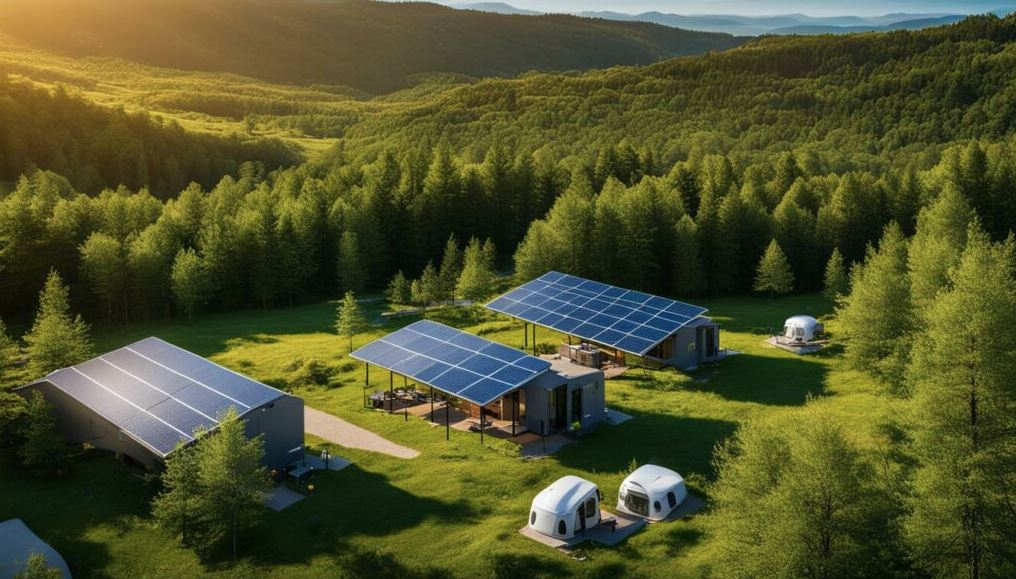
Exploring the Real-World Solar Tools That Keep Adventurers Connected Beyond Civilization
The Age of Solar Adventure
In the modern age of exploration, sunlight has become more than a source of warmth and visibility. It has become power. The rise of portable solar technology has transformed the way adventurers experience the outdoors, bridging the gap between self-reliance and modern convenience. For decades, solar gadgets were dismissed as unreliable or inefficient, little more than gimmicks that failed to deliver when nature turned rough. Today, that perception is fading fast. Advancements in photovoltaic efficiency, battery technology, and lightweight materials have produced tools that truly belong in the wilderness. These are not fragile gadgets for backyard use but dependable companions that thrive where the wild tests every piece of gear to its limit.
Solar energy aligns perfectly with the philosophy of outdoor life. It represents sustainability, independence, and a deep respect for the environment that hosts every journey. Whether one is camping in a dense forest, climbing high above the clouds, or trekking across open desert, sunlight is a constant companion. Turning that light into usable energy is more than convenience, it is survival. From recharging navigation devices to powering lights and cooking systems, the sun has quietly become one of the most reliable teammates an adventurer could have. The new generation of solar gadgets not only work in the wild, they thrive there, adapting to the unpredictable rhythms of nature just as explorers do.
The Science Behind Portable Solar Power
Before understanding which gadgets truly work, it helps to grasp how they do. Solar panels function by converting sunlight into electrical energy through photovoltaic cells, which generate a flow of electrons when exposed to light. Early panels required strong, direct sunlight and offered limited output. Modern versions, however, can capture energy even under partial shade or diffused light. This advancement is essential for adventurers, since perfect conditions rarely exist in the wild. Many panels now use monocrystalline silicon, which offers superior efficiency and durability, making them resistant to scratches, moisture, and cold.
Most portable solar gadgets combine panels with rechargeable batteries, allowing energy to be stored during the day and used at night or during cloudy conditions. This hybrid design has revolutionized off-grid living. Campers no longer have to rely solely on limited battery packs or disposable power sources. Instead, they can generate energy continuously, renewing their independence each sunrise. Understanding these principles allows users to plan their power needs wisely. Choosing the right panel wattage, battery capacity, and charge time ensures that solar gadgets perform reliably even in remote or harsh environments. In essence, knowledge transforms sunlight from a passive presence into an active tool for exploration.
Solar Chargers: The Modern Lifeline
Among all solar innovations, portable chargers stand as the most essential for outdoor life. They are compact, lightweight, and versatile, capable of keeping phones, GPS devices, and cameras alive far from civilization. The best solar chargers for adventurers are designed with efficiency and durability in mind. Many fold into rugged panels that can be attached to backpacks, tents, or kayaks. They often feature waterproof coatings and reinforced edges that withstand wind, sand, and rain. Some even include built-in charge indicators and automatic current adjustment to protect sensitive electronics from damage.
One of the key features of reliable solar chargers is adaptive charging. This technology adjusts the output based on sunlight intensity and device demand, ensuring consistent performance without overheating. For long-distance trekkers and mountaineers, this means energy security even during unpredictable weather. A well-chosen solar charger can replace multiple power banks, reducing both weight and waste. It becomes not just a tool but a quiet reassurance that connectivity, safety, and communication remain intact, no matter how remote the landscape becomes.
Solar Lanterns and Lights: Night’s Best Ally
Light is both comfort and safety in the wilderness. From setting up camp after sunset to navigating through dark terrain, reliable illumination is indispensable. Solar lanterns have evolved dramatically, moving beyond the dim, unreliable models of the past. Modern lanterns charge efficiently during the day and can illuminate campsites for several nights on a single charge. Many feature collapsible designs, dual charging modes, and adjustable brightness levels. Their durability makes them ideal for extreme conditions, and unlike traditional fuel-based lamps, they eliminate the need for flammable materials or constant refills.
Some advanced lanterns now serve multiple functions. They act as power banks, emergency strobes, or signal lights. The inclusion of lithium-ion batteries allows for long-term performance without degradation. For climbers and backpackers, small solar headlamps have become equally important. They recharge directly from portable panels and operate for hours at varying brightness settings. Together, these innovations ensure that darkness is no longer a limitation. With the sun as an energy source, adventurers can extend their exploration into the quiet hours of the night while maintaining safety and visibility.
Solar Cookers: Turning Sunlight into Sustenance
Cooking in the wild has traditionally relied on fire, fuel, or compact stoves. Solar cookers introduce an alternative that is both sustainable and surprisingly effective. Using reflective surfaces and insulated chambers, these devices concentrate sunlight into heat, reaching temperatures capable of boiling water, baking bread, or cooking full meals. While they may seem slow compared to gas burners, their efficiency and safety make them ideal for extended stays in sunlit regions. Modern designs are portable, lightweight, and capable of functioning in mild wind or high altitudes.
For remote expeditions, solar cookers eliminate dependence on fuel canisters, reducing both weight and environmental impact. They also minimize fire risk, a crucial benefit in dry or protected areas. Many adventurers report that meals cooked by sunlight carry a distinct taste, a mix of patience, simplicity, and connection to nature. Using a solar cooker transforms a routine task into a mindful ritual, a reminder that survival and sustainability can coexist beautifully. It embodies the principle that the best tools in the wild are not those that overpower nature but those that work with it harmoniously.
Solar-Powered Communication Devices
Staying connected in remote environments is more than convenience, it can be a matter of survival. Solar-powered satellite communicators and radios have made it possible to send messages, track locations, and receive weather updates without access to traditional power grids. Many of these devices integrate solar charging directly into their design, maintaining operational readiness even during long expeditions. The ability to recharge under sunlight ensures continuous communication, a lifeline that connects explorers to their teams, families, and emergency services.
Solar-powered GPS devices have also gained traction among mountaineers and expedition leaders. They combine precise navigation with renewable energy, reducing the anxiety of battery depletion during long routes. For adventurers venturing into unpredictable climates, these devices offer not only navigation support but peace of mind. When storms disrupt progress or visibility fades, the glow of a fully charged communicator can mean safety, direction, and hope. In a world where technology often isolates, solar communication devices redefine connection as something that enhances both independence and responsibility in the wilderness.
Solar Wearables: Energy You Carry
The frontier of solar innovation is now wearable. From backpacks with integrated panels to clothing embedded with flexible photovoltaic cells, solar wearables blend energy production into everyday gear. Hikers can now recharge small devices simply by walking under the sun. Some jackets feature panels woven into their fabric, powering hand warmers or LED indicators. Others include hidden charging ports sewn discreetly into the lining. These designs mark a new era of functional clothing where sustainability and performance converge seamlessly.
Solar backpacks are especially practical for multi-day treks. They convert walking time into charging time, allowing users to power headlamps, cameras, and GPS devices on the go. Unlike traditional power systems, they operate silently and continuously, transforming ordinary movement into renewable energy production. While still developing, solar wearables represent a future where adventurers generate their own electricity through simple motion and sunlight exposure. It is not science fiction but a natural evolution of technology inspired by the rhythms of the environment itself.
Challenges of Solar Technology in Harsh Conditions
Even the best solar gadgets face limitations. Extreme cold reduces battery efficiency, heavy rain limits light exposure, and prolonged shade can slow charging dramatically. However, these challenges are not insurmountable. Manufacturers have responded with innovations such as weatherproof coatings, self-cleaning surfaces, and hybrid systems that store excess energy for extended autonomy. Many adventurers have learned to work with these natural cycles instead of against them, planning tasks and charging periods according to daylight availability.
Understanding environmental conditions is part of mastering solar gear. Placing panels at optimal angles, cleaning surfaces regularly, and protecting batteries from freezing temperatures ensure performance remains stable. The key is not expecting perfection but reliability. Solar power, like nature itself, rewards patience and adaptability. When managed wisely, even partial sunlight can provide the energy needed for navigation, light, or heat. The relationship between solar tools and their users becomes one of cooperation, an ongoing dialogue between human ingenuity and the raw forces of the earth.
The Philosophy of Self-Sufficiency
Beyond their practical benefits, solar gadgets embody a deeper philosophy that resonates with every explorer: self-sufficiency. In a world increasingly dependent on infrastructure and convenience, using sunlight to power survival equipment restores a sense of autonomy. It reminds adventurers that nature provides the means to sustain life, not just challenge it. Harnessing the sun’s energy transforms an expedition from an act of consumption into one of harmony. The wild ceases to be an obstacle and becomes a partner.
Self-sufficiency also fosters mindfulness. When power depends on daylight, one becomes more attuned to natural rhythms. Mornings are for charging, evenings for conserving, and nights for reflection. This rhythm reconnects the traveler with cycles that urban life often erases. It teaches respect for limits and appreciation for balance. In a sense, solar technology returns modern explorers to ancient truths, those of resourcefulness, awareness, and gratitude. Each beam of sunlight becomes a reminder that the tools we carry are extensions of the world we move through, not escapes from it.
Light from the Wild Itself
In the end, the promise of solar technology is not just about power but about partnership with the natural world. The sun has always been the silent witness to every human journey across mountains, forests, and seas. Today, it has become an active companion, fueling our adventures with clean, renewable energy. The best solar gadgets are not flashy or futuristic, but practical and enduring. They prove that sustainability and survival can coexist beautifully. For those who live for the call of the wild, solar gear represents more than innovation. It is trust, trust in nature, in human creativity, and in the endless power of light that guides every explorer toward both discovery and preservation. The wild gives, and the wise adventurer learns to receive with care, carrying the sun not as a symbol of luxury, but as the purest form of freedom.